
miGut-Health
We take great pleasure in informing you that EFCCA is one of the 12 partners coming from 9 countries of the consortium for the miGut-Health Project, which has been selected for European funding under the Horizon Europe framework.
This project will strive to empower people living with IBD by creating state-of-the-art strategies for early disease prediction, prevention, and health monitoring. This will be achieved through data-driven approaches, personalised preventive interventions (such as nutritional changes), and innovative eHealth solutions. The ultimate goal of the project is to kickstart a shift from disease management to prevention.
With over three million people in the EU diagnosed with IBD, the associated annual healthcare costs amount to approximately EUR 5 billion. Moreover, symptoms such as abdominal pain, fatigue, and rectal bleeding can significantly affect an individual’s daily life. IBD’s unpredictable, alternating periods of remission and relapse add to the mental and physical burden of the disease for people affected by IBD.
To diminish this socio-economic burden, miGut-Health researchers will work in three interconnected directions: searching for gut health biomarkers, assessing personalised prevention measures, and developing citizen health engagement strategies.
Promoting Gut Health through Patient and Citizen Engagement
Novel eHealth technologies enable the active engagement of people in their healthcare. miGut-Health will develop and improve several AI-assisted eHealth platforms that collect Patient Reported Outcome Measures (PROMs) and monitor health status, disease activity and nutrition. Through this, researchers will provide personalised recommendations for better disease detection, management, treatment and prevention.
“Our aim in miGut-Health is to empower people living with IBD, individuals at high risk of developing IBD, and healthcare providers by putting them at the centre of our research,” says project coordinator Professor Andre Franke from the Christian-Albrechts-University of Kiel and the University Hospital Schleswig Holstein, Germany.
Improving Gut Health by Advancing Molecular-Level Understanding of IBD
By measuring gut health biomarkers, such as the gut microbiome, researchers in the miGut-Health project can learn about problems in the digestive system and how to improve gut health.
“Until today, there are only a few validated biomarkers for gut health assessment, which is why we will continue to identify and test existing biomarkers, integrate available extensive omics data, and search for novel biomarkers using state-of-art technologies and methods,” explains project co-coordinator Professor Jurgita Skieceviciene from the Lithuanian University of Health Sciences.
Study groups for the biomarker research will include IBD patients, high-risk disease individuals, and general population cohorts from several countries with a focus on the Faroe Islands, which have the highest IBD incidence worldwide.
EFCCA virtually met with the whole consortium for a pre-kick off meeting on 27 February which was also followed by an in-person one in Kiel (Germany) in May.
For more information: read press release and follow the progress of miGut at their website, along with their Twitter and LinkedIn profiles.
Health-Engagement Open Labs: Strengthening Patient-Centred IBD Care Through Dialogue and Collaboration
As part of the EU-funded miGut-Health project, IFCCA has been actively involved in a series of Health-Engagement Open Labs designed to bring together people living with Crohn’s disease and Ulcerative Colitis, families, researchers, clinicians, and patient representatives to explore more personalised and patient-centred approaches to IBD care.
These interactive sessions focused on key aspects of living well with IBD, including health engagement, nutrition, lifestyle, stress, emotional well-being, and long-term disease management, while creating spaces for dialogue, shared learning, and co-creation.
Health-Engagement Open Lab – Berlin 2025
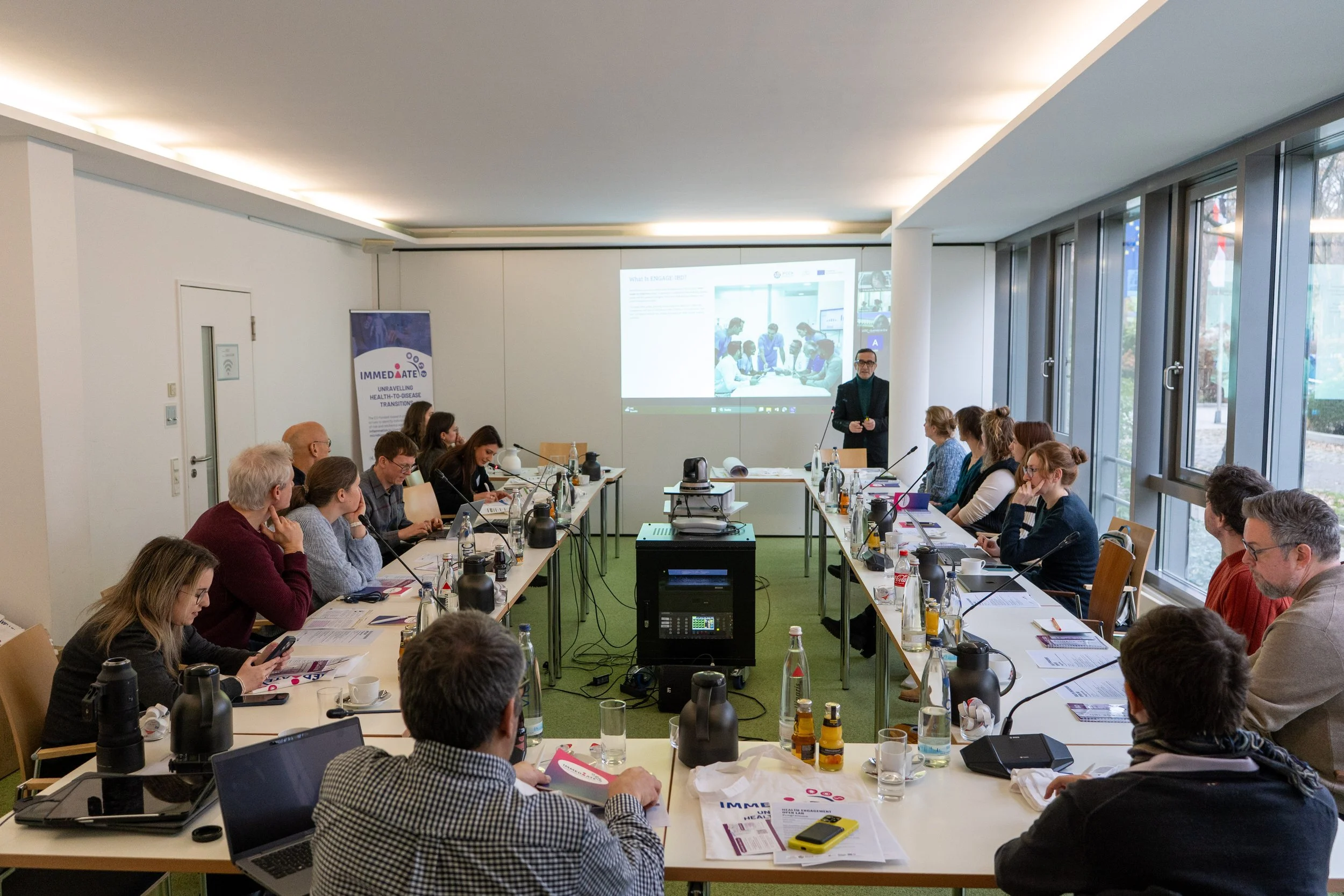
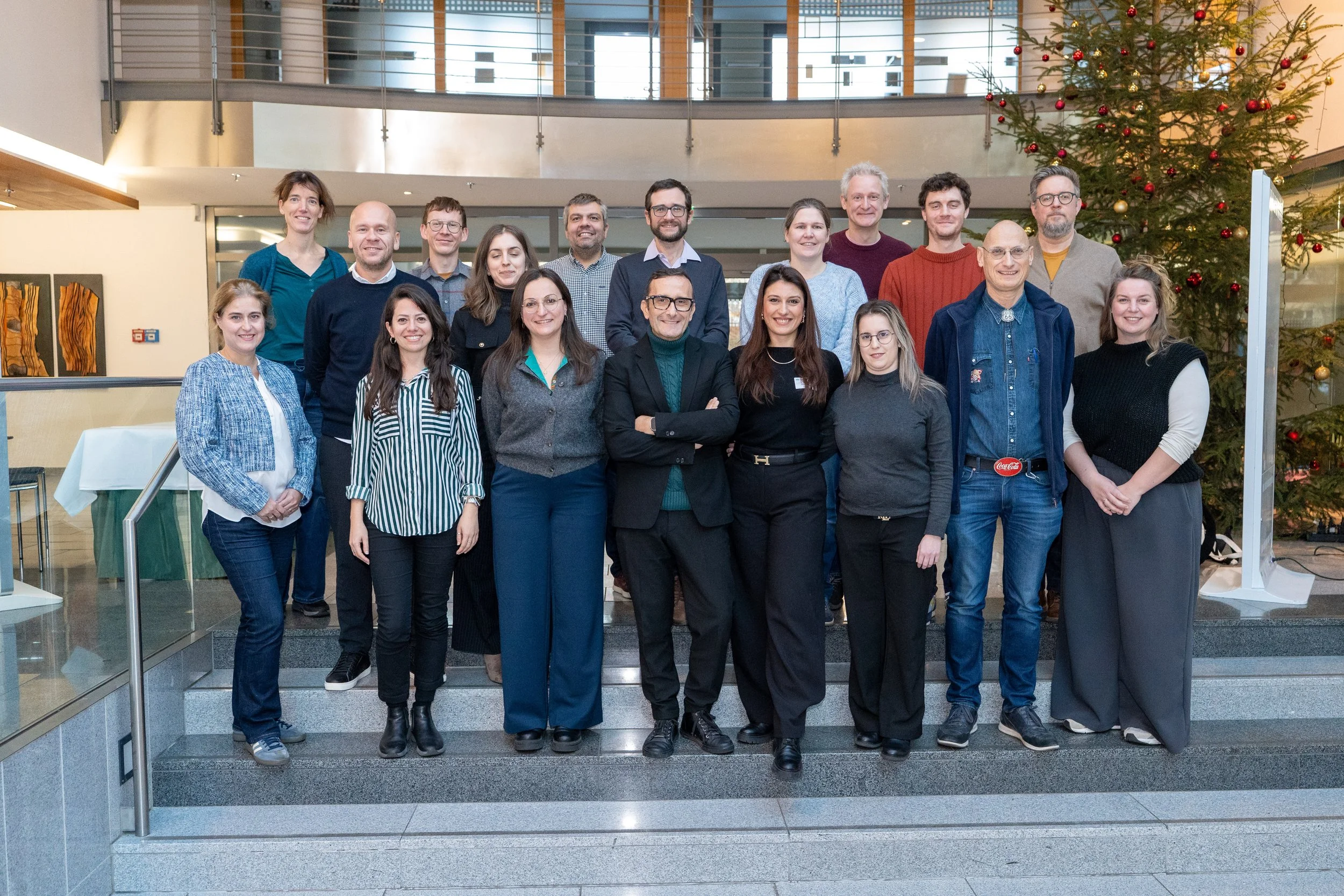
On 2 December 2025, IFCCA co-organised the miGut-Health Health-Engagement Open Lab in Berlin as part of the Stay Healthy Cluster Symposium. The in-person session brought together people living with IBD, families, researchers, and clinicians to discuss practical approaches to living well with Crohn’s disease and Ulcerative Colitis.
Expert speakers, including Prof. Guendalina Graffigna (Università Cattolica del Sacro Cuore & EngageMinds HUB), Prof. Konstantinos Gerasimidis (University of Glasgow), Salvo Leone (IFCCA), Dilara Usta, and Maria Stella De Rocchis (IFCCA), led discussions on daily challenges, diet, stress, lifestyle, and long-term disease management.
A key highlight of the event was the presentation of the ENGAGE-IBD Personalised Health Engagement Guide, co-created by IFCCA, miGut-Health, Università Cattolica del Sacro Cuore (UNICATT), and EngageMinds HUB. The guide was developed to provide practical, patient-centred support and empower people living with IBD to take a more active role in their health and care.
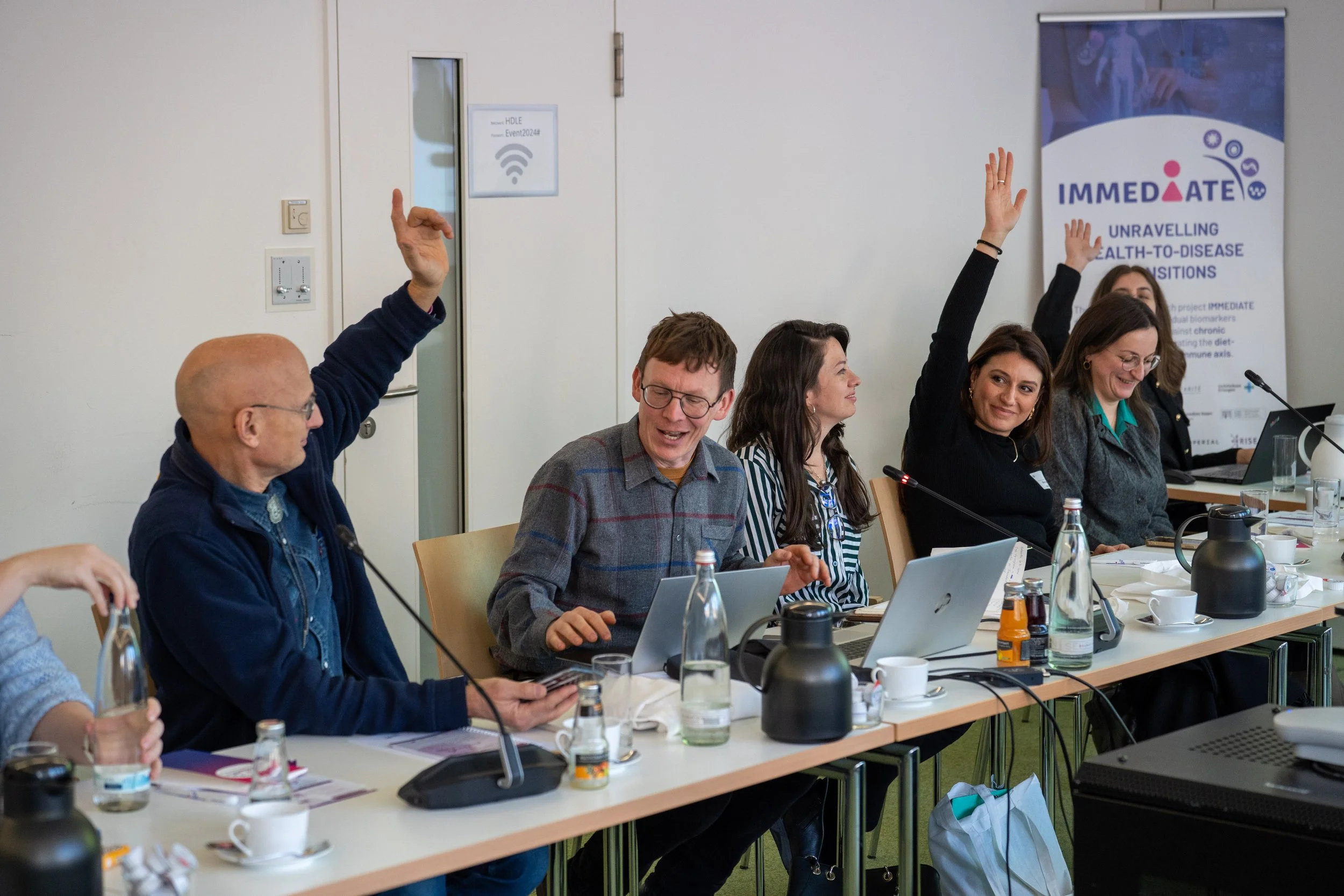
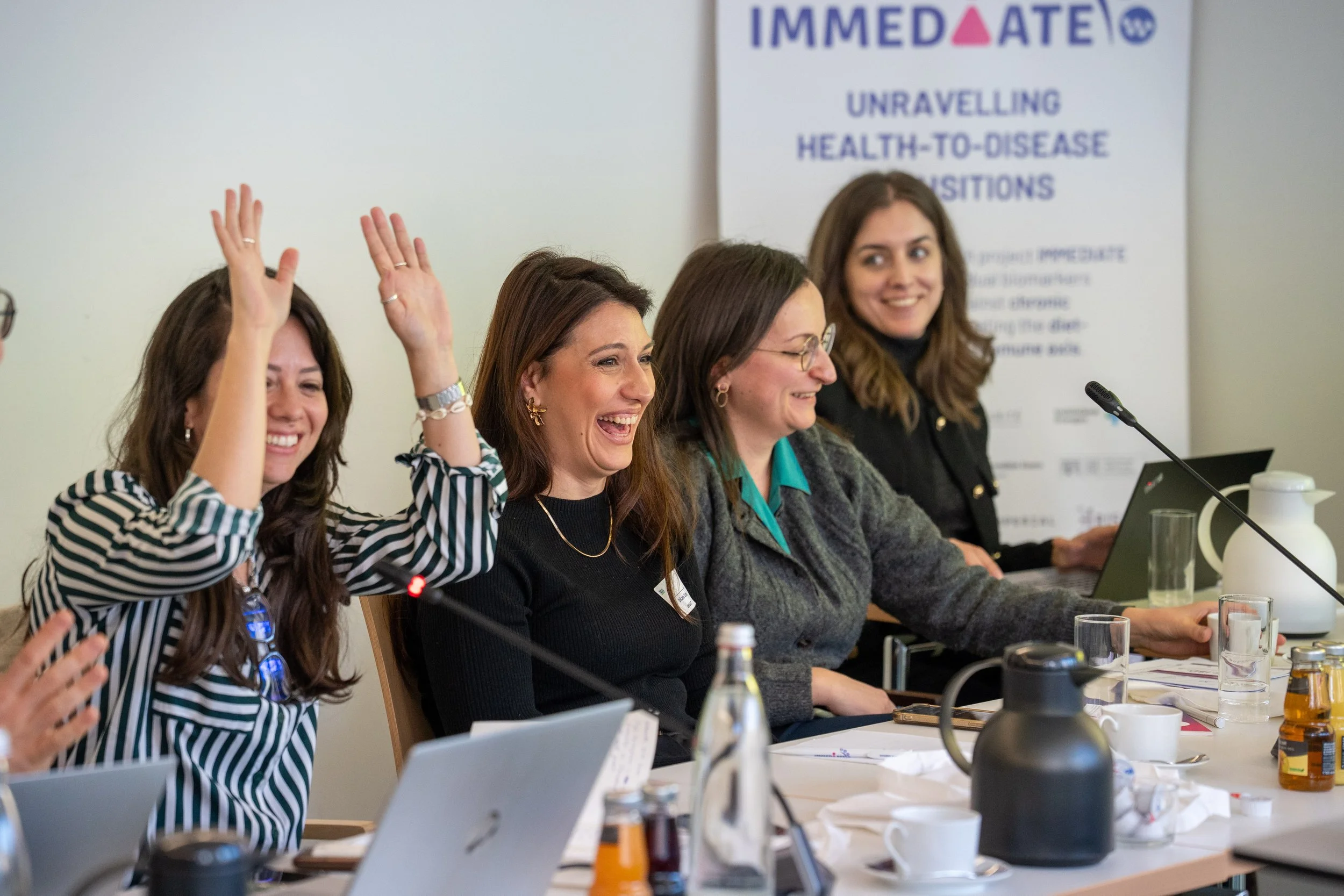
Participants also took part in interactive workshops designed to encourage exchange of experiences and collaborative discussion around improving quality of life and patient engagement in IBD care.


ENGAGE-IBD Personalised Health Engagement Guide
Developed within the miGut-Health project in collaboration with patients, clinicians, and health engagement experts, the ENGAGE-IBD Personalised Health Engagement Guide provides practical information and support for people living with Crohn’s disease and Ulcerative Colitis.
The guide introduces the ENGAGE-IBD framework, which aims to support better understanding of the condition, navigation of healthcare systems, recognition of symptom patterns, and adherence to treatment. It also addresses emotional well-being, personalised nutrition considerations, support networks, and goal-setting as part of long-term disease management.
Grounded in patient experiences and co-creation principles, the guide was developed to support self-management and improve quality of life for the IBD community. The resource is currently available in English, Spanish and Greek.
Online Open Labs 2026
Following the Berlin meeting, IFCCA and the miGut-Health project continued the Health-Engagement Open Lab series through a number of online sessions focused on specific aspects of patient-centred IBD care.
Open Lab: Exploring Predictive Lifestyle Factors in IBD Care
Held online on 26 January 2026, this Open Lab explored current realities in health engagement in IBD care. Participants discussed preliminary findings from the Dutch cohort study “Stress, Eating Habits, and IBD”, presented by Prof. Guendalina Graffigna and Dilara Cengiz (EngageMinds HUB), and learned about predictive lifestyle factors in personalised care from Prof. Maya Schroevers (University of Groningen).
The session also introduced the ENGAGE-IBD Guide and included collaborative workshops aimed at strengthening shared understanding between patients, researchers, and healthcare professionals.
Open Lab: Ultra-Processed Food and Its Impact on IBD Care
On 23 March 2026, IFCCA and the miGut-Health project organised an online Open Lab dedicated to exploring the role of ultra-processed food in IBD care and its potential impact on disease development and progression.
The session featured contributions from Professor Johan Burisch (University of Southern Denmark, Odense University Hospital), Dr. Dilara Usta, and Professor Guendalina Graffigna, combining clinical perspectives, preliminary survey findings, and discussions around health engagement and personalised care approaches.
Participants also took part in interactive discussions focused on practical ways to strengthen engagement and support more personalised disease management.
Open Lab: Living with IBD – Understanding How Nutrition and Psychology Interact
The online Open Lab held on 27 April 2026 focused on the relationship between nutrition and psychology in IBD care.
Experts including Christina Mastori (Aristotle University of Thessaloniki), Dr. Dilara Usta, and Professor Guendalina Graffigna explored the interaction between dietary habits, emotional well-being, and lived experience in Crohn’s disease and Ulcerative Colitis.
The session also highlighted the ENGAGE-IBD Guide and included interactive workshops encouraging participants to exchange experiences and discuss practical strategies to support health engagement and personalised care.


Funded by the European Union. Views and opinions expressed are however those of the author(s) only and do not necessarily reflect those of the European Union or European Health and Digital Executive Agency (HADEA). Neither the European Union nor the granting authority can be held responsible for them.